Finley Franke · 2 September 2026
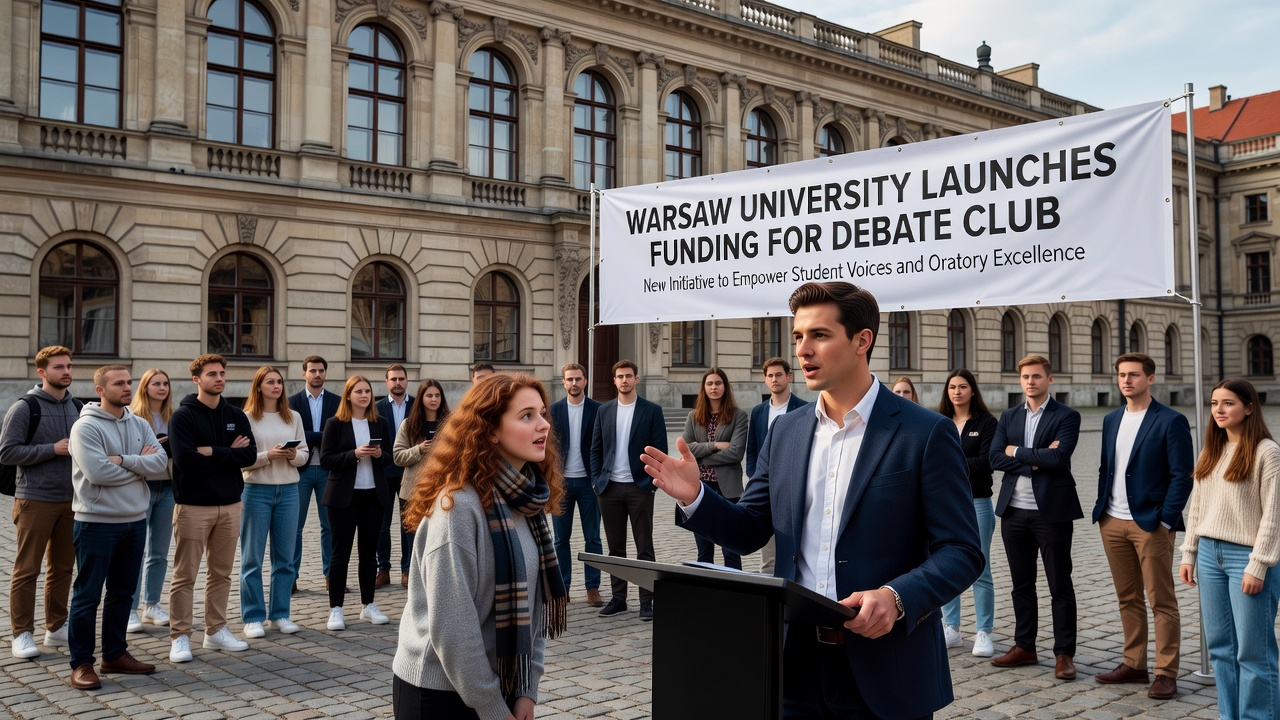
Warsaw University has announced the introduction of dedicated funding for a new debate club as part of its ongoing commitment to student development and extracurricular activities. This move is expected to provide essential support for students seeking to enhance their skills in public speaking, critical analysis, and logical reasoning through structured debate formats.
Overview of Funding Details
The funding program offers grants ranging from basic operational costs to advanced event sponsorships. Eligible clubs must submit detailed plans outlining their debate schedules, target audiences, and expected outcomes. University administrators have noted that the initiative draws from successful models at other European institutions where debate clubs have thrived with similar backing. Students will have access to training sessions led by experienced moderators to ensure high-quality discussions on various topics including politics, science, and ethics. The program also includes provisions for travel to national debate tournaments, thereby expanding the reach and exposure of participants. Moreover, the allocation process involves a transparent review by a panel of faculty members and student representatives to maintain fairness. This ensures that diverse perspectives are represented in the club activities. Funding can be renewed annually based on the club's achievements and adherence to guidelines.
Long-term Effects on Campus Life
By establishing this funding, the university aims to create lasting pathways for student involvement in intellectual pursuits. Debate clubs have historically contributed to the cultivation of future leaders and thinkers. Participants often develop abilities that translate directly to academic success and employment opportunities. The initiative is anticipated to increase overall student engagement and foster a culture of open dialogue on campus. Collaborations with local organizations may further amplify the impact, allowing students to apply their skills in real-world scenarios. Regular evaluations will help refine the program over time, ensuring it meets the evolving needs of the student body. In conclusion, this development marks an important advancement in supporting vibrant student club ecosystems at Warsaw University.