Tina Lang · 2 September 2026
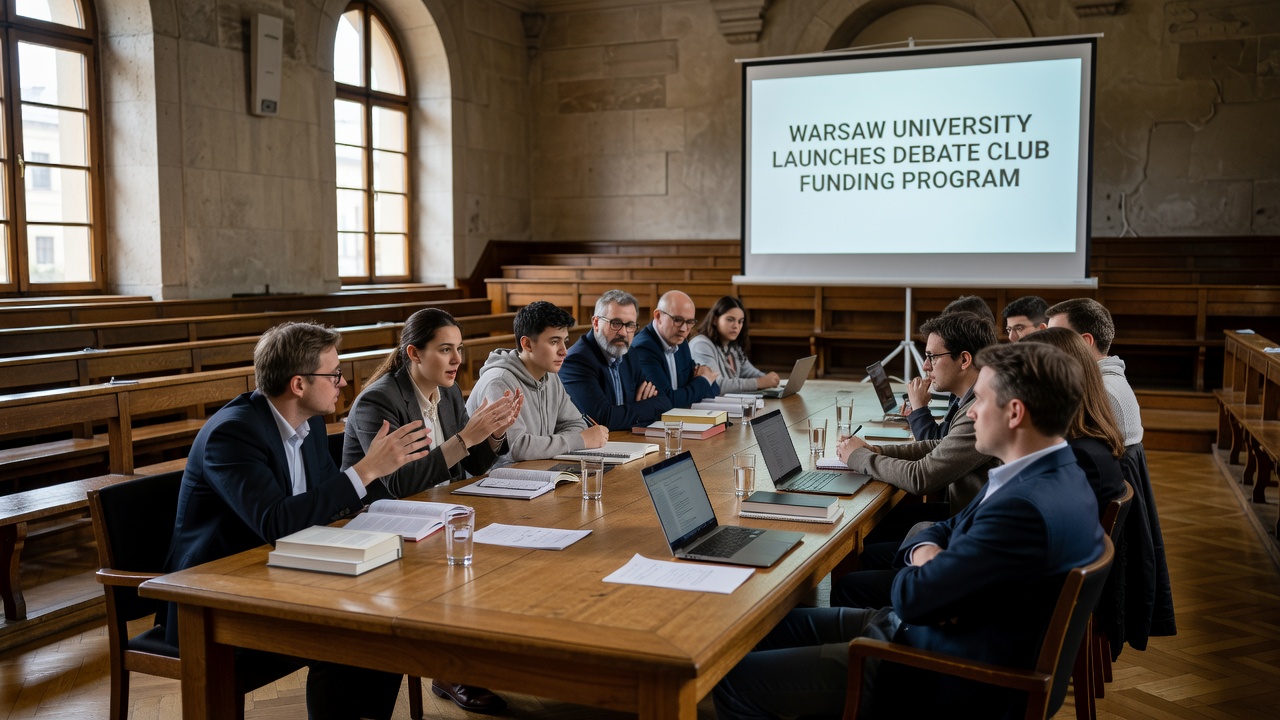
Warsaw University has introduced a dedicated funding program to support the establishment and growth of student debate clubs across its faculties. The initiative aims to enhance critical thinking, public speaking, and research skills among undergraduates by providing structured financial resources for club activities, events, and training sessions. Officials stated that the program aligns with broader efforts to strengthen extracurricular pathways that prepare students for academic and professional success.
Program Structure and Eligibility
The funding allocates grants ranging from 5,000 to 25,000 Polish zloty per club annually, covering expenses such as venue rentals, guest speakers, debate tournaments, and educational materials. Eligible groups must register through the university's student affairs office and submit proposals outlining their debate topics, membership goals, and community outreach plans. Priority is given to clubs focusing on interdisciplinary issues like climate policy, European integration, and digital ethics. University administrators noted that applications will be reviewed quarterly, with the first cycle opening next month. This structure ensures transparency and encourages clubs to develop sustainable operational models rather than relying on one-time events.
Faculty advisors will receive training on mentoring debate teams, while partnerships with external organizations will provide access to national competitions. Data from similar programs at other Polish institutions show increased student retention rates and improved employability metrics for participants. The university expects up to 15 new or expanded debate clubs to benefit in the initial year.
Pathways for Student Development
By integrating debate funding into existing student club frameworks, Warsaw University seeks to create clear progression routes from introductory workshops to advanced competitions and leadership roles. Participants can earn certificates that count toward elective credits, linking club involvement directly to academic records. Alumni networks formed through these clubs will offer ongoing mentorship, helping graduates transition into careers in law, journalism, diplomacy, and academia. Early feedback from pilot groups indicates heightened student engagement and cross-faculty collaboration, with members reporting stronger analytical abilities after just one semester. The program also emphasizes inclusivity, with dedicated resources for first-generation students and those from underrepresented regions. Long-term evaluations will track impacts on graduation rates and postgraduate opportunities, positioning debate clubs as vital components of holistic student development at the institution.