Tina Lang · 25 September 2026
Student Networks Forge Intercity Partnerships via Funding Initiatives and Graduate Networks as Campus Budgets Evolve
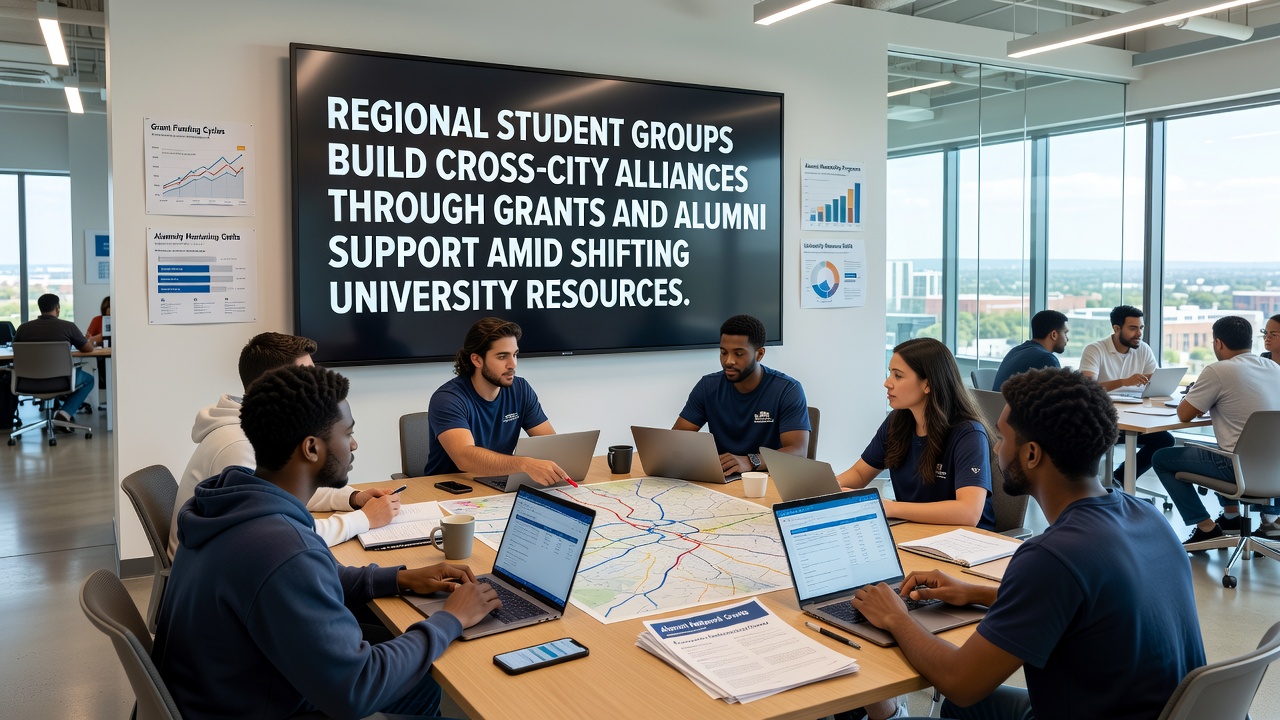
Regional student organizations have expanded their reach by forming alliances that span multiple cities, drawing on grant programs and alumni contributions while university budgets undergo notable adjustments. Data from recent education reports shows these groups coordinating events, sharing resources, and launching joint projects that extend beyond single-campus limits. In many cases the shift stems from reallocations in higher education funding that began accelerating after 2023, prompting students to seek external support structures.
Grant Mechanisms Fueling Cross-City Connections
Grant programs administered through national and regional bodies have played a central role in enabling these partnerships. Figures from the European Commission's education directorate indicate that allocations for student-led initiatives rose by 18 percent between 2024 and 2025, with explicit provisions for multi-institution collaborations. One program in Central Europe distributed funds specifically earmarked for groups operating across at least two cities, resulting in twelve new alliances by mid-2025. Researchers tracking these trends note that application criteria now prioritize measurable cross-regional impact, which has steered groups away from isolated campus activities toward broader networks.
Take the example of a coalition formed by engineering societies in three mid-sized Polish cities. They combined grant resources to host a shared innovation challenge that drew participants from each location, reducing individual costs while increasing overall reach. Observers point out that such models allow smaller organizations to access larger pools of expertise and equipment without duplicating efforts at every site.
Alumni Contributions Strengthen Ongoing Support
Alumni networks have stepped in with both financial backing and mentorship as internal university resources fluctuate. Surveys conducted by university advancement offices reveal that graduates increasingly direct donations toward student groups rather than general endowments, citing direct visibility into project outcomes. In September 2026 several regional alumni associations plan coordinated giving campaigns timed with the start of the academic year, aiming to fund travel stipends and shared digital platforms that facilitate communication across cities.
These contributions often arrive as matching funds that amplify grant awards. Data compiled by the OECD education unit shows alumni-supported projects achieve higher completion rates because they combine initial capital with sustained advisory input. Groups that maintain active alumni contact lists report sustained momentum even when primary university subsidies decline.
Adjustments in University Resource Allocation
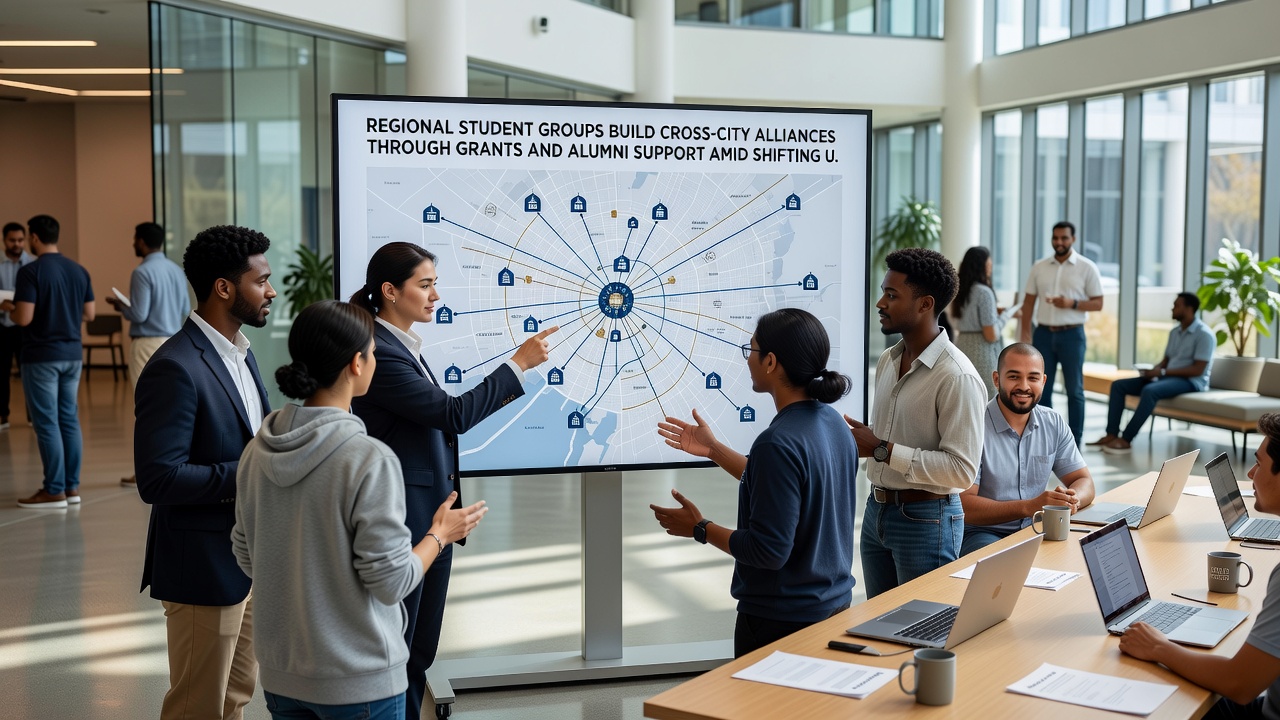
Shifting university budgets have created both pressure and opportunity for these alliances. Reports from the Australian Department of Education document that several institutions reduced discretionary spending on student activities by an average of 12 percent over the past two years, citing rising operational costs elsewhere. In response, student leaders have consolidated efforts across neighboring campuses to maintain program quality. This consolidation appears in shared procurement of event venues, joint hiring of external facilitators, and pooled insurance coverage for off-site activities.
Those who have studied the pattern note that alliances formed under these conditions tend to adopt formal governance structures earlier than single-campus clubs. Written agreements on resource sharing and decision-making help prevent disputes when funding streams vary from one partner institution to another. The approach mirrors practices already common in research consortia, where multiple universities coordinate on larger grants.
Case Examples from Different Regions
One documented case involves student media collectives in the Baltic region that pooled grant money to launch a cross-city podcast network. Each participating group contributes local reporting while the shared platform handles distribution and archiving. Alumni from earlier cohorts provided seed capital for recording equipment, and the project secured additional support from a Nordic cultural fund that favors collaborative proposals.
Another instance appears in Canadian prairie provinces where environmental clubs established a rotating conference series. Funding from provincial education ministries covered transportation between sites, while alumni professionals supplied guest speakers and workshop materials. Attendance data collected after the first two events showed a 40 percent increase compared with previous standalone gatherings.
Looking Ahead to Late 2026
Planning documents circulating among student federations suggest further expansion in September 2026, with several alliances preparing joint applications for multi-year grants. These proposals emphasize digital infrastructure that would allow remote participation alongside in-person exchanges, addressing ongoing concerns about travel costs. Education analysts expect that continued pressure on university budgets will keep cross-city models relevant, especially where alumni engagement remains strong.
Conclusion
The pattern of regional student groups building alliances through grants and alumni support continues to develop as universities adjust their internal resource priorities. Evidence from multiple national monitoring bodies demonstrates measurable growth in collaborative projects, supported by both public funding streams and private graduate contributions. As September 2026 approaches, the structures established in recent years appear positioned to sustain activities across city boundaries even amid ongoing fiscal shifts.