Tina Lang · 23 October 2026
Student Groups in Poland Pursue Innovation Awards and Inter-Regional Workshops to Foster Development During Funding Reallocations
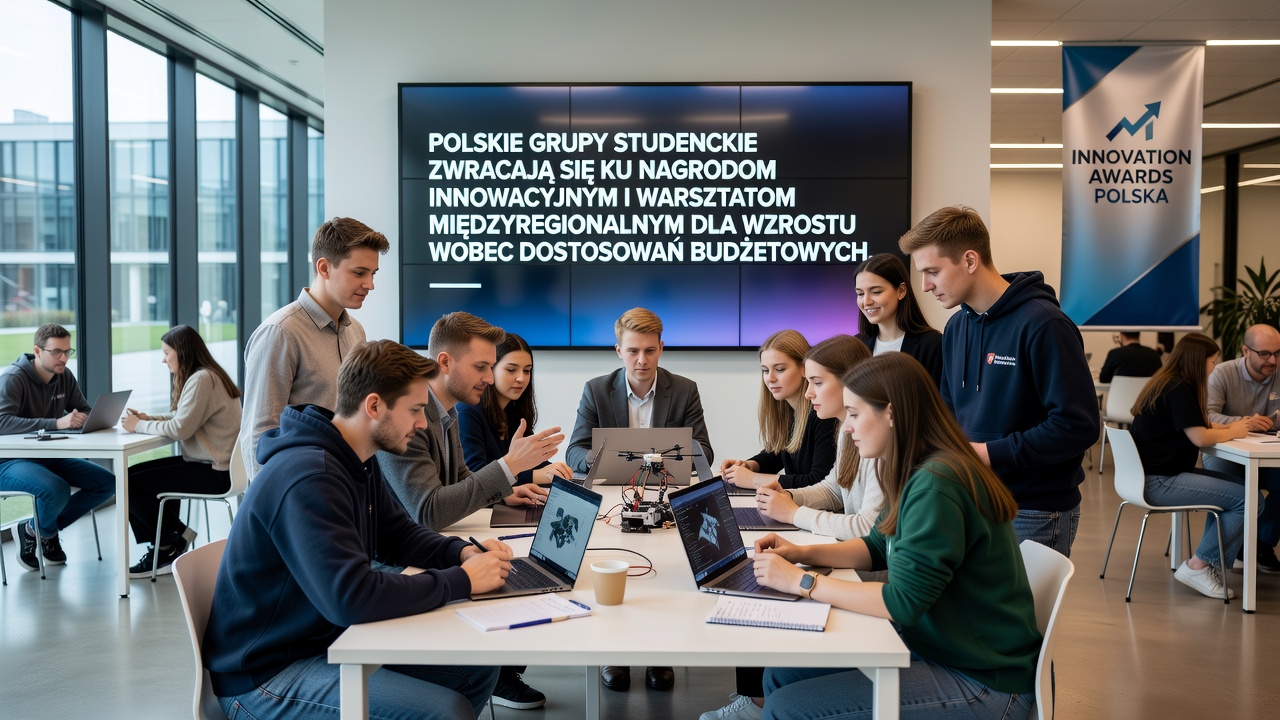
Polish student organizations have increasingly directed their efforts toward innovation awards programs and cross-regional workshops as they adapt to evolving campus budget structures, with data from the 2025-2026 academic year showing measurable upticks in participation rates across multiple voivodeships. Observers note that these initiatives provide structured pathways for skill development and resource sharing, while budget adjustments at individual institutions have prompted groups to seek external recognition and collaborative opportunities instead of relying solely on internal allocations. Figures from the Polish Ministry of Education and Science indicate that student club funding experienced a redistribution pattern beginning in late 2025, leading many groups to explore competitive awards that emphasize technological prototypes and social impact projects.
Expansion of Innovation Award Programs
Multiple universities across Poland have reported heightened engagement with national and regional innovation competitions during the current cycle, where student teams submit proposals ranging from sustainable campus solutions to digital tools for community engagement. Research conducted by the European Education and Culture Executive Agency highlights that award categories focused on applied technology have drawn entries from over 120 student collectives in the first half of 2026 alone, compared with lower volumes in prior periods. These programs often include mentorship components that connect participants with industry partners, allowing groups to refine their concepts through iterative feedback sessions rather than isolated campus efforts.
Groups in cities such as Kraków, Wrocław, and Gdańsk have formed temporary alliances to strengthen their submissions, pooling expertise in areas like data analytics and environmental engineering. One study released by the OECD in 2026 documented how such collaborations correlate with higher success rates in securing prize funding, which then supports further project scaling. Budget constraints at some institutions have accelerated this trend, as clubs redirect time previously spent on grant applications toward award preparation that offers both financial rewards and public visibility.
Cross-Regional Workshops as Growth Mechanisms
Workshops spanning multiple regions have emerged as key platforms for knowledge exchange, with events scheduled throughout 2026 bringing together representatives from eastern and western Polish universities to address shared challenges in project management and digital innovation. Participants engage in hands-on sessions covering topics like prototype development, grant writing techniques, and partnership building, often facilitated by alumni and external experts. Attendance records from October 2026 events organized in partnership with regional higher education networks show participation exceeding 400 students, reflecting a deliberate push to bridge geographic gaps amid shifting local resources.
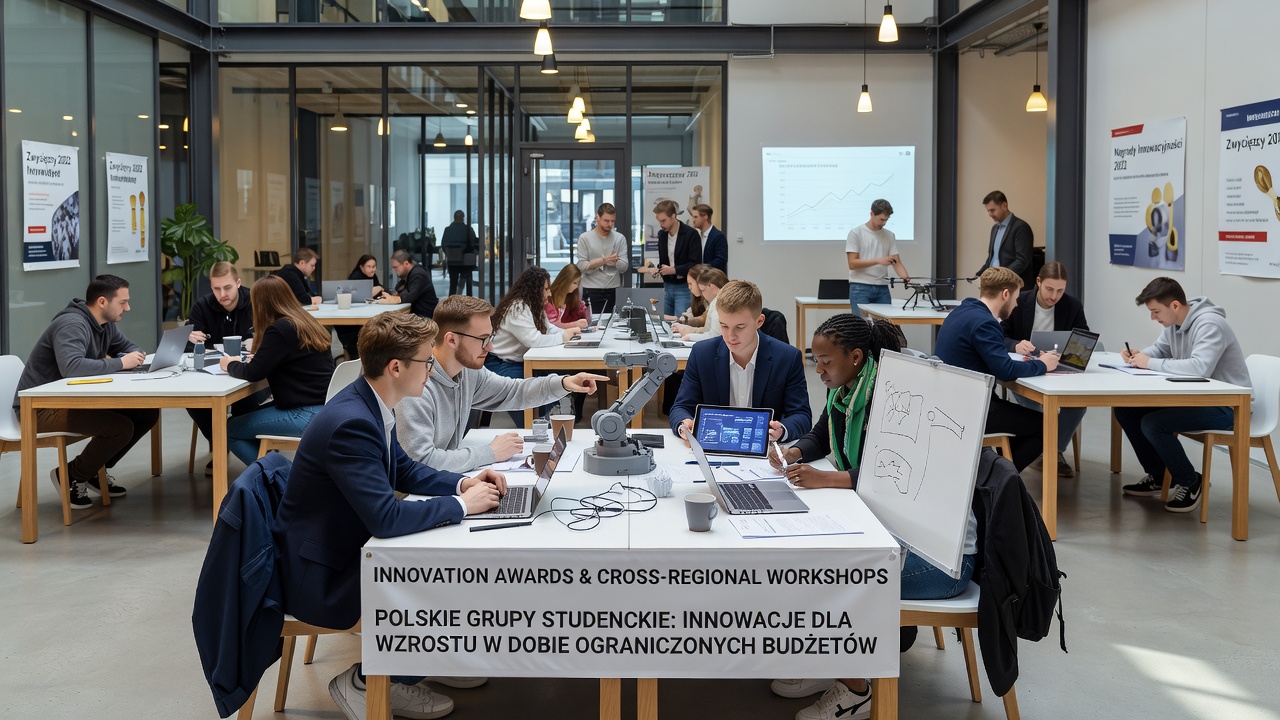
These gatherings frequently incorporate virtual components that extend access to students in smaller towns, where travel budgets have tightened. Data compiled by the Conference of Rectors of Academic Schools in Poland reveals that groups attending such workshops demonstrate improved retention of members and expanded project portfolios within six months of participation. The format encourages peer learning, where teams from different institutions share case examples of navigating administrative hurdles and securing supplementary sponsorships from local businesses.
Adapting to Budget Adjustments
Campus funding reallocations have varied by institution, with some universities redirecting portions of student activity budgets toward core academic priorities while others have introduced performance-based criteria for club support. According to internal reports from several regional universities, student groups responded by prioritizing initiatives that align with external award criteria, thereby offsetting reduced internal disbursements. This shift appears in enrollment patterns for workshop series, where organizers have noted sustained interest even as on-campus event funding sees cuts in certain departments.
Analyses from academic researchers at institutions outside Poland, including a 2026 report by the Australian Department of Education, suggest that similar patterns in European higher education contexts lead to diversified funding strategies among student collectives. Polish examples align with these observations, as clubs integrate workshop outcomes into award applications to create self-reinforcing cycles of development and recognition. External sponsorships from technology firms have also grown, providing equipment and seed capital that supplement traditional sources.
Documented Outcomes and Participation Trends
Tracking data through mid-2026 shows that student groups engaging with both awards and workshops achieve higher rates of project completion and public dissemination. Specific instances include teams from Lublin and Poznań that advanced prototypes initially developed in cross-regional sessions to national award shortlists, subsequently attracting follow-on investments. Such trajectories underscore the practical value of combining competitive elements with collaborative training formats.
Participation metrics further indicate that smaller and mid-sized institutions have closed gaps with larger urban universities in terms of award entries and workshop involvement. This equalization stems partly from targeted outreach efforts that highlight available resources and application support services. Observers tracking these developments point to October 2026 as a period when several new workshop series launched, coinciding with the release of updated budget guidelines at multiple campuses.
Conclusion
Polish student groups continue to integrate innovation awards and cross-regional workshops into their operational strategies as they respond to ongoing budget adjustments, with participation figures and project outcomes providing concrete indicators of adaptation. These approaches facilitate connections across institutions and regions while aligning activities with external evaluation standards. Continued monitoring of award cycles and workshop attendance through late 2026 will offer additional insight into long-term patterns within the sector.