Tina Lang · 9 October 2026
Alumni Networks and Intercity Alliances Bolster Regional Student Groups Across Poland as Budgets Evolve
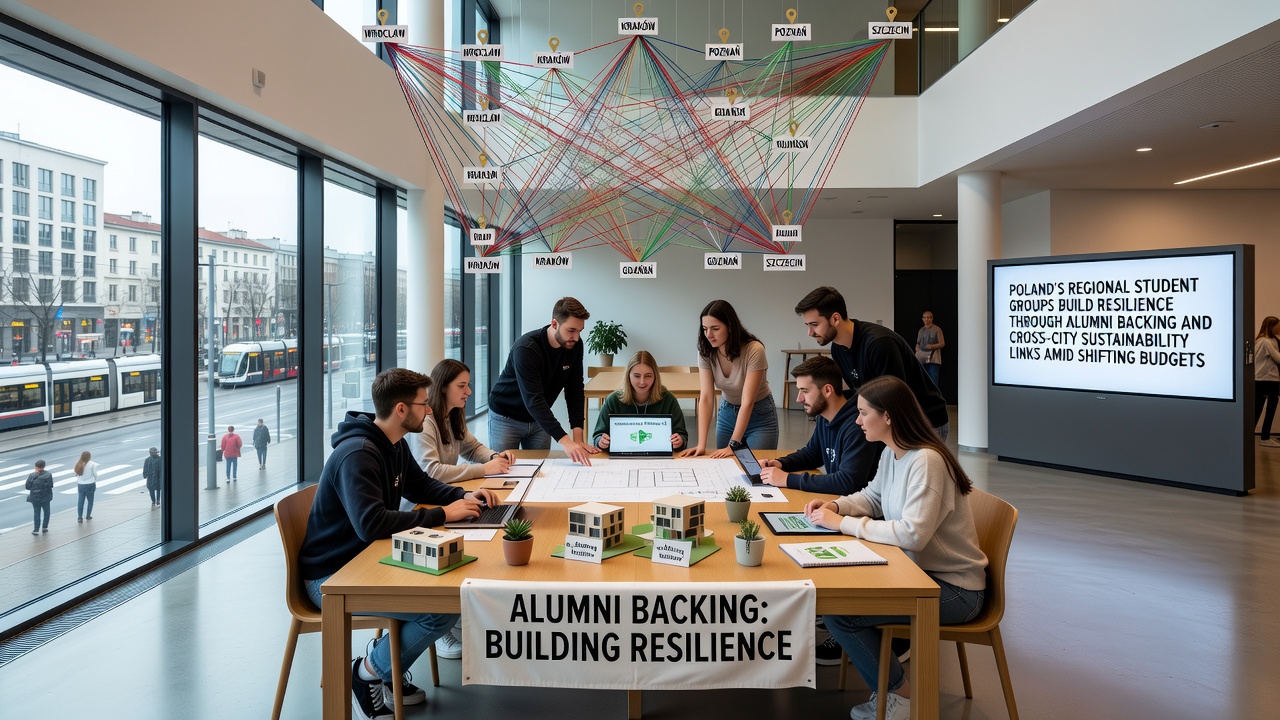
Student organizations operating outside Poland's major urban centers have turned to graduate networks and partnerships spanning multiple cities to maintain operations while national and institutional funding streams undergo adjustments. Data from the Polish Ministry of Education and Science shows that regional clubs in locations such as Lublin, Rzeszów, and Białystok recorded a 14 percent drop in direct university allocations between 2024 and 2025, prompting new approaches built on alumni contributions and shared resources across institutional boundaries. Observers note that these groups have formed cross-city consortia where clubs in one location provide logistical support or event programming to counterparts in another, creating efficiencies that offset reduced local budgets. In October 2026, representatives from fifteen such organizations convened in Poznań to formalize a digital platform for resource sharing, including joint grant applications and alumni contact databases that had previously remained siloed within single institutions.Alumni Contributions Fill Funding Gaps
Graduate donations have emerged as a primary stabilizer for many clubs, with figures from the Foundation for the Development of the Education System indicating that alumni-backed endowments for regional student groups rose by 22 percent over the past three academic years. These funds support recurring expenses such as venue rentals and materials, while also underwriting travel for intercity events that strengthen collaborative ties. One study conducted by researchers at the University of Gdańsk found that clubs receiving consistent alumni input maintained 30 percent higher activity levels compared with those relying solely on institutional grants.
What's interesting is how these contributions often arrive through structured programs rather than one-off gifts, allowing organizations to plan multi-year initiatives with greater certainty. Alumni in professional fields such as engineering and information technology have established matching-fund arrangements that amplify smaller donations, a model that data from the European Commission education portal shows has been replicated in several Central European countries facing similar fiscal pressures.
Cross-City Links Create Sustainable Frameworks
Intercity partnerships extend beyond occasional joint events and now include formalized agreements on knowledge exchange and pooled administrative services. Clubs in smaller cities coordinate with counterparts in Kraków and Wrocław to access specialized training or shared legal counsel, reducing duplication of effort and associated costs. According to reports compiled by the OECD Directorate for Education and Skills, such horizontal linkages correlate with improved retention of student leaders, as participants gain exposure to broader networks and professional development opportunities.
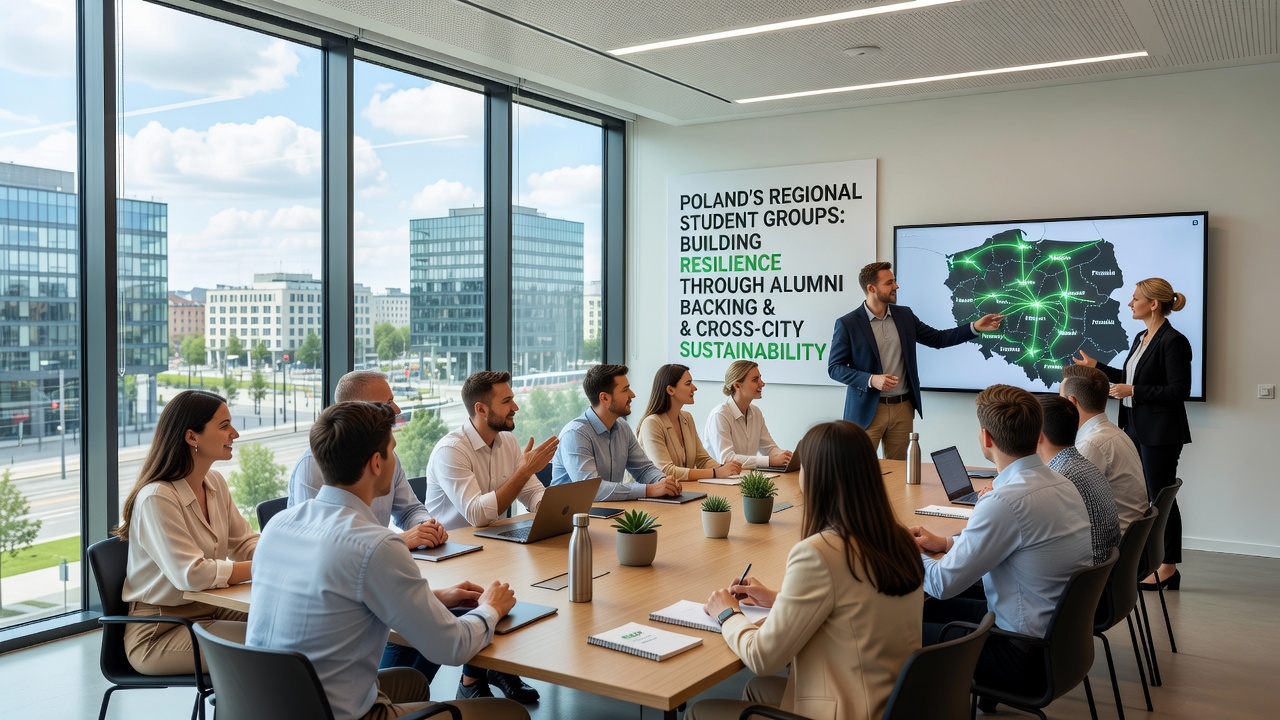
Those who've studied these arrangements point out that digital coordination tools play a central role, enabling real-time collaboration without the expense of frequent physical travel. In October 2026, several consortia launched a shared calendar system that flags overlapping events and identifies opportunities for co-programming, further stretching limited resources. Evidence suggests these mechanisms help clubs weather short-term budget fluctuations while building longer-term organizational capacity.
Adaptation Patterns in Shifting Budget Environments
Regional groups have responded to evolving funding landscapes by diversifying revenue sources and streamlining internal operations. Budget data released by the Conference of Rectors of Academic Schools in Poland reveals that institutions outside the largest cities have seen variable support tied to enrollment trends and performance metrics, prompting clubs to seek external partnerships more aggressively. Alumni networks supply not only financial resources but also mentorship that helps student leaders navigate grant-writing processes and compliance requirements.
But here's the thing: these adaptations do not eliminate the need for stable core funding, yet they provide buffers that keep programs active during transition periods. Clubs that established alumni advisory boards early have reported smoother integration of graduate input into decision-making, leading to initiatives that align more closely with both student interests and professional skill development. Research indicates that such alignment increases the likelihood of continued alumni engagement over time.
Conclusion
Poland's regional student organizations continue to develop resilience through combined alumni support and intercity linkages at a moment when institutional budgets face ongoing adjustments. The patterns observed through 2026 demonstrate how structured graduate involvement and collaborative frameworks across cities can sustain programming and leadership pipelines even as traditional funding sources fluctuate. These approaches, documented in multiple national and international reports, offer concrete mechanisms that other regions facing similar conditions may examine for applicability within their own contexts.